
Hepatitis A Vaccine(甲型肝炎疫苗) - Dr Yeung Ho Hong 楊浩康
What is hepatitis A?
Hepatitis A is an acute infectious liver disease caused by the hepatitis A virus, primarily transmitted through the fecal-oral route. Infection can occur when individuals come into contact with or consume food, water, or objects contaminated by the feces of an infected person. Additionally, close contact with an infected individual or sexual contact (not limited to specific forms) can also lead to viral transmission. Contaminated sewage or inadequately treated water sources are significant pathways for the spread of the virus. Due to the virus's strong environmental resilience, hepatitis A often exhibits seasonal outbreaks, particularly in areas with poor sanitation.
The incubation period for hepatitis A typically ranges from 14 to 28 days. Early symptoms may be mild, but as the virus multiplies in the liver, patients gradually develop symptoms such as fever, nausea, diarrhea, general fatigue, abdominal discomfort, and jaundice. Most patients recover spontaneously within weeks to months. However, in rare cases, the hepatitis A virus can trigger acute fulminant hepatitis, a condition with a relatively high mortality rate that poses a severe threat to health. Although hepatitis A does not progress to chronic hepatitis, the severe symptoms during the acute phase and potential complications still make it a significant public health challenge.
Role of Hepatitis A Vaccine and Vaccination Programs
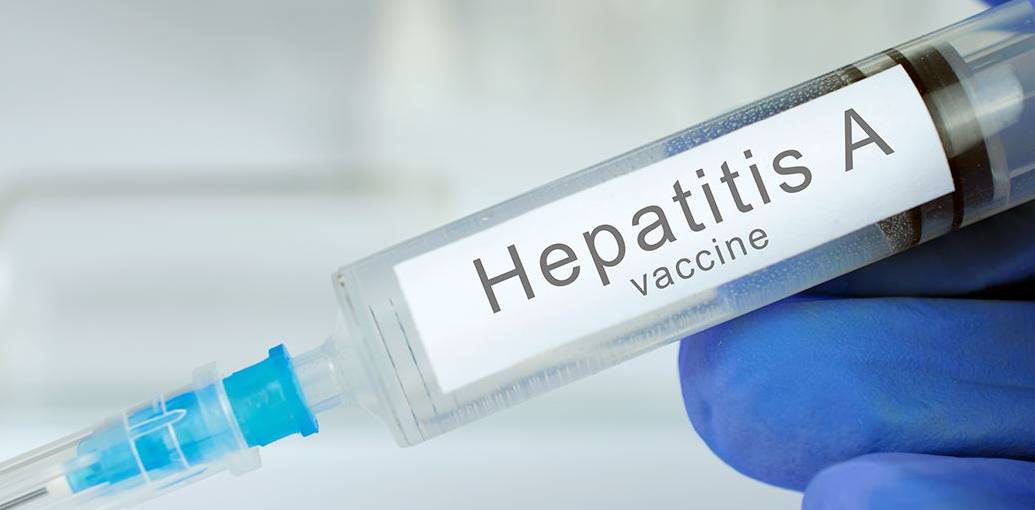
To prevent hepatitis A virus infection, vaccination with the hepatitis A vaccine (甲型肝炎疫苗) is one of the most effective protective measures available. This vaccine uses processed viral antigens to stimulate the body to produce antibodies against the hepatitis A virus, creating an immune barrier. The hepatitis A vaccine is a preventive vaccine, typically administered in a two-dose schedule. The second dose is recommended 6 to 18 months after the first to reinforce and extend immune protection. Upon completing the full vaccination course, most recipients achieve long-term, stable immunity, significantly reducing the risk of infection.
Vaccine Safety and Blood Tests
Before vaccination, physicians often recommend a blood test to determine whether the recipient already has sufficient hepatitis A antibodies. If the test indicates adequate immune protection, the necessity of vaccination diminishes, helping to avoid redundant vaccinations and unnecessary medical interventions. This individualized assessment reflects the precision and rationality of modern medical approaches to vaccination strategies.
From a safety perspective, the hepatitis A vaccine has been widely proven to be highly safe. Clinical trials and long-term real-world data show that common side effects are limited to localized reactions such as pain, redness, or swelling at the injection site, or mild fever. These adverse reactions typically resolve on their own within a short period and do not cause long-term effects in recipients. Consequently, experts universally agree that the benefits of vaccination far outweigh the risks, especially when compared to the potential dangers posed by hepatitis A.
In the realm of global public health, promoting hepatitis A vaccination not only protects individuals from infection but also effectively reduces the virus's transmission rate within communities. This is particularly critical in regions with poor sanitation and during epidemic outbreaks, where vaccination plays a pivotal role. Furthermore, with the rise in international travel and trade, vaccination helps prevent cross-border viral transmission, safeguarding global public health security.
In summary, the hepatitis A vaccine , as a proven and effective preventive measure, reduces the risk of individuals contracting hepatitis A from contaminated sources while enhancing overall herd immunity. With ongoing advancements in vaccine technology and refinements in vaccination strategies, we can anticipate further control of hepatitis A transmission in the future, minimizing the impact of outbreaks on public health. To protect personal and family health, individuals should follow professional medical advice, receive timely vaccinations, and undergo regular health checkups to achieve the goals of early prevention, early detection, and early treatment.