
Quadrivalent influenza vaccine(流感疫苗) - Dr Yeung Ho Hong 楊浩康
Dr Yeung Ho Hong ( 楊浩康 醫生 )
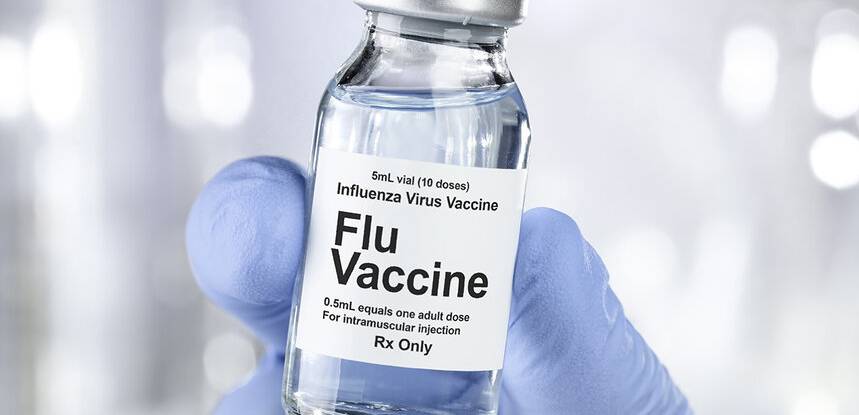
What is the quadrivalent influenza vaccine?
As the annual flu season approaches, preventive measures become particularly crucial, with the quadrivalent influenza vaccine (四價流感疫苗) serving as a primary and effective means of protection. Due to the influenza virus’s propensity for mutation, the dominant strains may differ each year, necessitating updates to the vaccine’s composition based on the prevailing viral strains. This is why the World Health Organization (WHO) annually recommends the components of the quadrivalent influenza vaccine for the Northern Hemisphere’s winter season based on the latest epidemiological trends. Vaccination not only shields individuals from infection but also reduces the risk of viral transmission to family members and the broader community.
Vaccine Composition and Updating Mechanisms
For the 2021/2022 season, the recommended quadrivalent influenza vaccine includes the following four viral strains:
- An A/Victoria/2570/2019 (H1N1)pdm09-like virus
- An A/Cambodia/e0826360/2020 (H3N2)-like virus
- A B/Washington/02/2019-like virus (B/Victoria lineage)
- A B/Phuket/3073/2013-like virus (B/Yamagata lineage)
These components are selected from the most prevalent influenza virus strains of the current season, ensuring that the vaccine triggers a targeted protective immune response. Given the rapid mutation of influenza viruses, vaccine manufacturers must adjust the strains annually based on the latest surveillance data, which explains why the influenza vaccine requires yearly administration.
Who needs to get the flu vaccine?
The quadrivalent influenza vaccine (四價流感疫苗) is available in two main forms: injectable and nasal spray. The injectable vaccine is suitable for all individuals aged 6 months and older, offering a simple, safe, and reliable option. In contrast, the nasal spray vaccine is primarily designed for healthy individuals aged 2 to 49 years and is favored by some parents and young people due to its ease of use and lack of needle-related concerns. Both formulations work by stimulating the body to produce antibodies against the four viral strains, effectively reducing the incidence of influenza and the risk of severe illness.
Furthermore, this year’s introduction of the “Vaccine Subsidy Scheme” adds an additional layer of support to influenza prevention efforts. Under this initiative, children aged 6 months to 11 years, Hong Kong residents aged 50 or above, pregnant women, and recipients of disability allowances are eligible for government-subsidized influenza vaccinations. This program not only alleviates financial burdens but also encourages higher-risk groups to get vaccinated promptly, reducing the likelihood of complications during peak flu season.
A common question is whether the influenza vaccine can be administered alongside the COVID-19 vaccine. According to current research, no adverse interactions have been identified between the influenza vaccine and COVID-19 vaccines. However, the Scientific Committee recommends a minimum 14-day interval between the administration of the COVID-19 vaccine and other vaccines to allow for a thorough assessment of each immune response. Therefore, individuals planning to receive both vaccines should consult a healthcare professional and schedule the doses based on their personal health conditions.
The benefits of the influenza vaccine in preventing viral infections and reducing hospitalization rates are well-documented. Simultaneous infection with COVID-19 and influenza during the flu season often results in more severe illness, with significantly higher rates of complications and mortality. Vaccination against influenza not only lowers individual risk but also serves as a critical measure to alleviate pressure on healthcare systems. Numerous studies indicate that vaccinated individuals experience notably shorter hospital stays compared to unvaccinated individuals, which has profound implications for mitigating shortages in medical resources.
In addition to vaccination, daily personal protective measures remain essential. During flu season, practices such as frequent handwashing, avoiding crowded places, and wearing masks correctly are effective supplementary strategies for preventing influenza infection. These measures are particularly valuable in high-risk settings such as public transportation, hospitals, or schools, where they can further reduce the risk of viral transmission.
In summary, the quadrivalent influenza vaccine (四價流感疫苗), as a safe and effective preventive tool, has become a cornerstone of global influenza control strategies each year. As influenza viruses continue to evolve, advancements in vaccine development and updates ensure better protection for public health. For those seeking to minimize their risk of infection, timely vaccination remains the optimal choice.