
Varicella Vaccine(水痘疫苗) - Dr Yeung Ho Hong 楊浩康
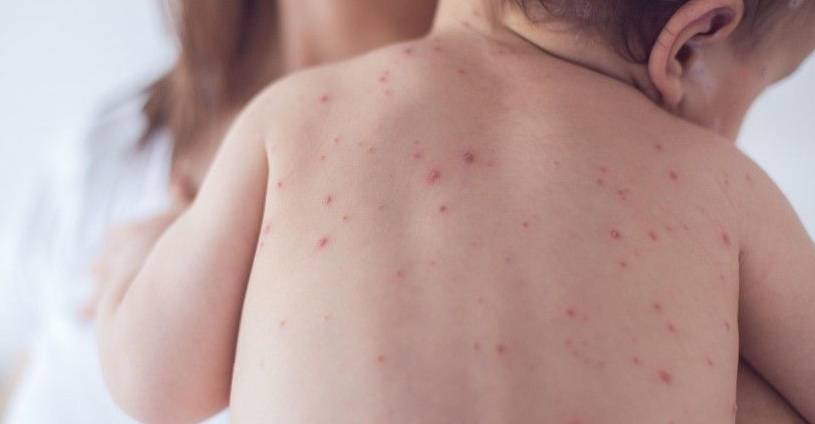
Transmission and Symptoms of Chicken Pox
Chickenpox (‘水痘’) is a highly contagious acute disease caused by the varicella-zoster virus (VZV). It spreads through respiratory droplets or direct contact with blister fluid, thriving in crowded, poorly ventilated settings. Early symptoms include fever, headache, and malaise, followed by itchy rashes and blisters on the head and face, spreading to the body and limbs. In healthy children, it’s mild, resolving in 2–4 weeks, but discomfort and complications warrant attention.
While mild in most healthy kids, chickenpox can be severe in certain groups. In early pregnancy, it may cross the placenta, causing congenital varicella syndrome—skin ulcers, limb defects, and neurological damage. Adults or immunocompromised individuals face harsher courses, risking pneumonia, meningitis, or encephalitis. Vaccination is thus a key public health measure to curb spread and severe outcomes.
Effects of Varicella Vaccine and Recommendations for Vaccination
The chickenpox vaccine, a live attenuated biologic, triggers immunity by producing antibodies and memory cells, neutralizing future VZV exposure to prevent or lessen infection. Proven safe and effective over years, it’s recommended as two doses: the first at an appropriate age, the second months later for robust protection.
Beyond preventing outbreaks, vaccination fosters herd immunity, reducing transmission and shielding those unable to vaccinate or with weak immunity. Rising vaccination rates have cut cases and complications significantly in many regions.
Vaccine safety and precautions
The vaccine’s safety is well-established. Trials and post-market data show mild, short-term side effects—redness, pain, or rashes at the injection site, with some kids experiencing low fever or discomfort. To avoid risks with salicylate drugs like aspirin (‘阿司匹林’), children should skip them for six weeks post-vaccination. It’s not for those allergic to components or severely immunocompromised, so consult a doctor beforehand.
From a public health view, vaccination is vital to prevent chickenpox and its complications. Widespread programs lower childhood incidence and adult spread, while advanced vaccine tech reduces healthcare costs and boosts individual protection.
Still, the vaccine isn’t foolproof. Some may lack strong immunity due to poor response or viral variants, retaining infection risk. Regular checkups remain essential. High-risk groups like pregnant women or the immunocompromised need extra precautions—avoiding suspected cases, maintaining hygiene, and disinfecting public spaces.
In summary, the chickenpox vaccine, with its efficacy and safety, is a cornerstone of prevention. Widespread use protects individuals and builds community immunity, curbing outbreaks. Parents should vaccinate kids per schedules, monitor health, and consult doctors to safeguard family wellness.