
What is Rotavirus Vaccine(輪狀病毒疫苗)? - Dr Yeung Ho Hong 楊浩康
Rotavirus Hazards and Transmission
Rotavirus is a leading cause of acute diarrhea in infants and young children, infecting millions globally each year with symptoms like diarrhea, vomiting, abdominal pain, and fever. Highly contagious, it spreads via the fecal-oral route, easily triggering outbreaks in crowded settings like daycare or kindergartens. While most recover within a week, severe cases may require hospitalization for dehydration, posing life-threatening risks.
Role of Rotavirus Vaccine and Vaccination
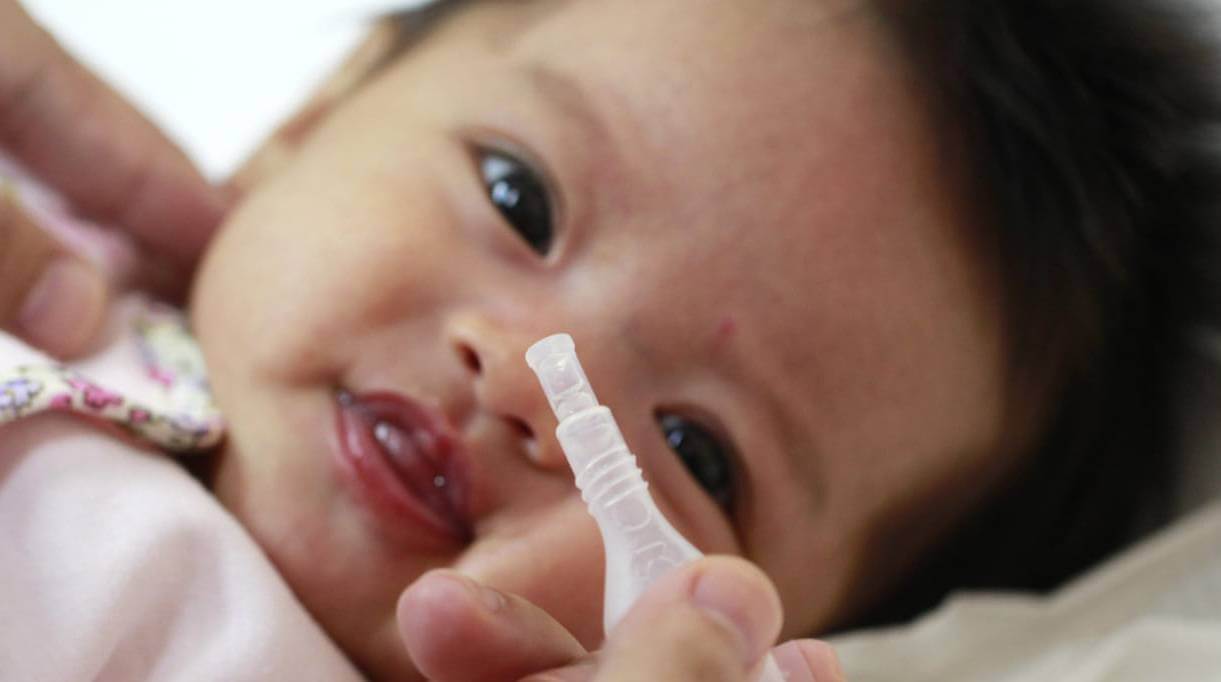
Given its threat to young children, prevention is critical. The rotavirus vaccine has revolutionized global child health. Administered orally as a liquid, parents simply pour it into the infant’s mouth for swallowing. Containing weakened rotavirus strains, it stimulates immunity without causing disease, offering long-term protection.
Current vaccines involve 2 or 3 doses, depending on the brand and local immunization schedules. Typically, the first dose is given by 2 months of age, with subsequent doses completed over the following months. This builds an early immune barrier, significantly reducing severe rotavirus symptoms.
Post-vaccination, the immune system recognizes the weakened virus, producing antibodies to combat future infections. Clinical trials and widespread use confirm the vaccine sharply cuts diarrhea-related hospitalizations and deaths, shielding infants from severe complications. Many countries include it in routine schedules, yielding major public health gains.
Vaccine Safety and Public Health Effectiveness
Safety is a top parental concern. Extensive studies show minimal side effects. Most infants experience no issues; a few may have mild diarrhea, brief irritability, or fussiness, resolving in days. Rare cases of severe allergic reactions or intussusception occur but are manageable under medical care.
From a public health perspective, the vaccine protects individuals and forms a societal immune barrier. High vaccination rates disrupt transmission, lowering outbreak risks, especially in resource-poor, unsanitary areas where it’s a lifeline against diarrhea mortality.
Its development and rollout have refined global immunization strategies. The World Health Organization (WHO) endorses it, urging inclusion in national programs. Collaborative efforts between developing and advanced nations boost coverage, aiming for universal child health improvements.
Parents should learn about efficacy and side effects, consulting pediatricians for optimal timing and doses. Tracking vaccination records ensures sustained protection. Post-vaccination, monitor for unusual reactions and seek prompt care if needed.
In summary, the rotavirus vaccine is a pivotal defense against this highly contagious virus, central to global child immunization. Early vaccination builds lasting immunity, slashing risks of diarrhea and dehydration, safeguarding lives and growth. With advancing tech and rising coverage, future rotavirus outbreaks can be better controlled, promising healthier futures for children worldwide.