
What is the HPV vaccine? - Dr Yeung Ho Hong 楊浩康
HPV and Cancer Connection
Human Papillomavirus (HPV) is a group of viruses with over 150 different genotypes, some of which are high-risk types that can infect the genital organs of both men and women through sexual contact and are closely associated with the development of various cancers. In particular, persistent infection with high-risk HPV has been proven to be a significant trigger for diseases such as cervical cancer, vaginal cancer, vulvar cancer, and anal cancer. Therefore, preventing HPV infection holds critical public health significance in reducing cancer risks.
Cervical Cancer Screening and Early Treatment
Cervical cancer is one of the most representative cancers linked to HPV infection. The majority of cervical cancer cases are associated with persistent HPV infections, which, if not cleared in time, can gradually cause abnormal changes in cervical cells, eventually progressing into malignant tumors. Cancer cells can not only penetrate from the surface of the cervix into deeper tissues but may also spread to other organs, such as the liver and lungs, via the lymphatic system or bloodstream. Thus, early detection and treatment are particularly crucial.
Scientific evidence has clearly demonstrated that regular cervical cancer screening can detect abnormalities at an early stage of cancer development, significantly reducing cancer mortality rates. At the same time, the HPV vaccine, as a preventive measure, can reduce the incidence of HPV infections in the population, fundamentally lowering the risk of HPV-related cancers. Vaccination has become an essential component of modern public health strategies.
Benefits and safety of the nine-valent HPV vaccine
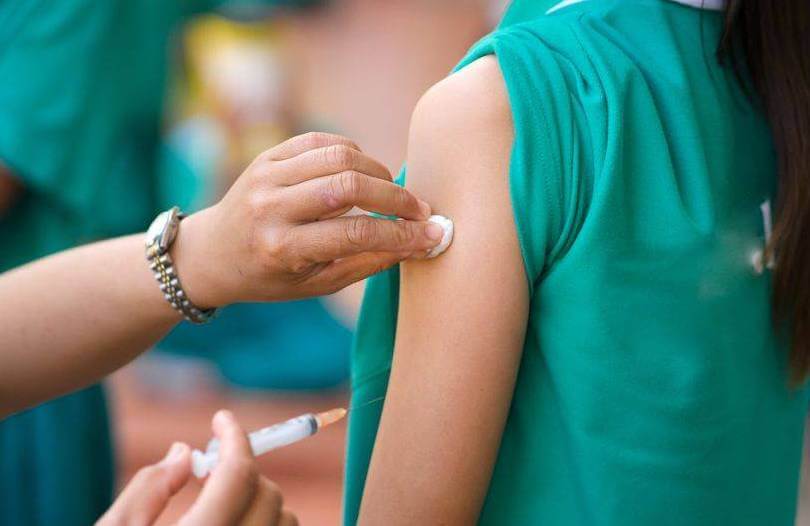
Currently, regions like Hong Kong widely offer the nine-valent HPV vaccine, which covers most high-risk HPV genotypes closely linked to cervical cancer, providing broader immune protection. The nine-valent vaccine not only prevents cervical cancer but also partially reduces the risk of other HPV-related cancers. Data shows that the vaccine has a high safety profile, with only mild and short-term side effects, such as redness, swelling, pain at the injection site, mild fever, or headaches.
It should be noted that while the HPV vaccine significantly reduces the risk of infection, it cannot prevent all HPV genotypes nor eliminate pre-existing HPV infections. Therefore, regular cervical cancer screening remains necessary even after vaccination to ensure early detection and treatment of potential cellular changes. Additionally, the vaccine offers limited protective effects for individuals already exposed to the virus, making widespread vaccination efforts particularly important among adolescents and young adults to establish an immune barrier before initial exposure.
Public health experts widely regard the HPV vaccine as one of the most cost-effective and efficient methods to control the incidence of related cancers. Widespread vaccination not only protects individuals from HPV but also contributes to herd immunity, reducing the virus's transmission rate within communities. This has profound implications for global cancer prevention efforts, potentially leading to a significant reduction in the incidence and mortality rates of HPV-related cancers.
In addition to vaccination, maintaining good personal hygiene habits—such as practicing safe sex, avoiding contact with multiple sexual partners, and undergoing regular health check-ups—remains an important complementary measure to prevent HPV infection. Healthcare professionals and government agencies are actively promoting health education and vaccine awareness, encouraging the public to recognize the importance of the HPV vaccine to further safeguard overall societal health.
In conclusion, the HPV vaccine, as a scientifically validated and well-established immunization tool, has demonstrated immense value worldwide in reducing the risks of HPV infection and related cancers. Through the widespread use of the nine-valent vaccine, we can hope to significantly decrease the incidence of cervical cancer and other HPV-related diseases in the future. Continuously increasing vaccination coverage and enhancing health education will further protect public health and lay a solid foundation for achieving global cancer prevention goals.